What Can (and Can’t) Go in Your Dumpster: A Complete List
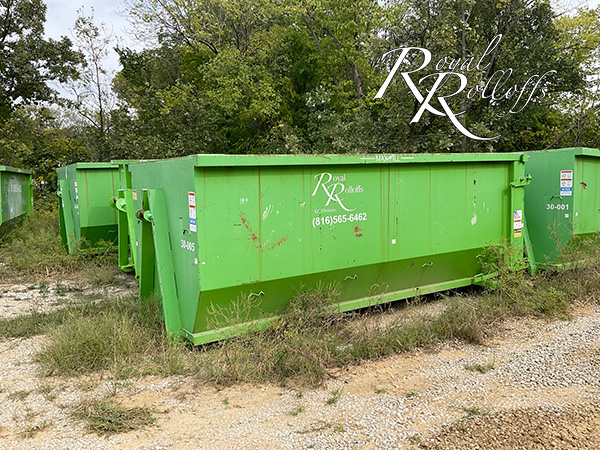
Before starting a home improvement, construction, or cleanup job in Independence, MO, being aware of acceptable and prohibited items is key to success. Many customers are surprised to learn that some waste requires special handling. Understanding these rules helps prevent issues, extra expenses, and compliance issues throughout the job. At Royal Rolloffs, our goal is to make disposal straightforward by guiding you through what is acceptable and what must be handled separately. This guide ensures you stay compliant and use your dumpster correctly.
Responsible disposal goes beyond simply getting rid of junk. It keeps your project within legal requirements, reduces risk to your crew and family, and supports environmental responsibility. Sorting your materials correctly, you can make the rental period as efficient as here possible. This breakdown highlights accepted and restricted materials, points out prohibited items, and provides helpful tips for sorting debris before loading your container.
General Household Items and Clutter
Household clutter is typically permitted. Items like old furniture, clothing, toys, cardboard, paper, and non-hazardous trash are all acceptable. Such items are simple to handle and are often the majority of debris from cleanouts. If you are organizing a whole-home purge, these usually fill the bottom of the dumpster. Stacking and arranging these items helps you use space wisely.
General debris from household projects, such as drywall, flooring, wood scraps, and shingles, can also be placed in a dumpster. They often come from improvement projects. Breaking apart bulky items and placing heavy debris first helps maximize space. This creates a stable load and allows more room for lighter materials on top. Continuous sorting keeps the project organized and avoids overflow.
Green Waste and Exterior Cleanups
Yard waste is generally accepted and includes grass clippings, leaves, branches, and shrubs. Homeowners use dumpsters for landscaping projects, seasonal cleanups, and storm debris removal. Keeping yard debris separate from other materials helps with disposal and ensures that the waste is handled according to local composting or recycling regulations. Consider trimming or removing tree stumps in advance, since they may not be accepted as-is.
Outdoor fixtures can be tossed if free from hazardous finishes. Do not load painted wood containing lead or creosote, because they need special treatment. If you are replacing concrete or bricks, these can also go into a dumpster but should be loaded evenly to avoid overloading. Weight distribution keeps the dumpster within legal hauling limits.
Prohibited Waste and Restricted Materials
Not everything belongs in a dumpster, and certain materials are restricted for safety and environmental reasons. Oil, gasoline, and pesticides are strictly prohibited. These substances can leak or react, creating dangerous conditions for waste handlers and the environment. Customers should contact local waste facilities for guidance on proper disposal methods for these materials.
Fridges and AC units must be drained before disposal. These items need to be recycled through specialized programs. Medical waste, biohazard materials, and certain contaminated soils are also prohibited. Being aware of these restrictions before loading the dumpster saves time and ensures compliance with disposal regulations.
Construction and Demolition Debris
Jobsite containers are ideal for debris created during building and demolition work. Materials such as lumber, siding, roofing, concrete, and metal are generally accepted and can be disposed of together. Grouping debris by category helps reduce landfill waste and supports sustainable disposal. We coordinate with project managers to make sure construction materials are disposed of properly.
Tear-down projects generate large quantities of waste like tiles, plaster, and glass. These are allowed unless they contain restricted contaminants. Hire a certified abatement service if asbestos is suspected. Planning ahead prevents stoppages and protects workers.
Handling Dense Waste Materials
Dense materials like dirt and asphalt are accepted with weight precautions. Too much heavy debris risks violating weight limits. Users must monitor how much heavy waste they load. In some cases, separating these materials into smaller loads may be necessary to ensure safe hauling.
Spread heavy material evenly across the container floor. Balancing weight helps protect the container and truck. Telling us ahead of time about heavy waste ensures we send the right equipment. Proper preparation maximizes the use of the dumpster and ensures safety.
Eco-Friendly Disposal and Recycling
Eco-conscious waste handling safeguards public health and natural resources. By keeping hazardous items out of the dumpster and recycling where possible, you reduce the amount of waste going to the landfill. Royal Rolloffs helps ensure waste is processed with environmental care. Our dedication preserves the cleanliness of Independence, MO, for years to come.
Separating reusable materials contributes to sustainable waste practices. Doing this helps ensure smoother collection and transport. Royal Rolloffs provides guidance on best practices for waste sorting to make the process straightforward. Compliance and responsibility go hand-in-hand when these steps are followed.
Getting the Most from Your Dumpster Rental
Being aware of accepted and restricted items ensures a stress-free rental. In Independence, MO, Royal Rolloffs is trusted to supply both containers and helpful advice. When you follow these steps, your jobsite stays organized and on schedule. Our mission is to make waste removal easy and safe for all projects. Whether you are clearing out a home, managing a construction project, or tackling a large landscaping job, we make sure your dumpster rental works for you.